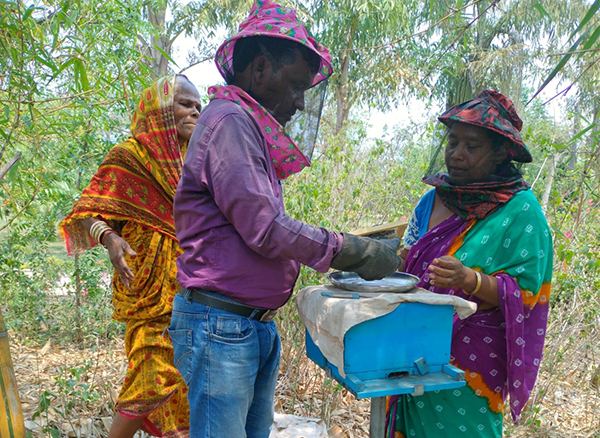
At Concern India Foundation, we work alongside communities, government agencies, and local partners to build resilience against climate change while promoting sustainable natural resource management. Our interventions focus on water security, ecosystem restoration, renewable energy and increasing green cover to create lasting environmental and social impact.
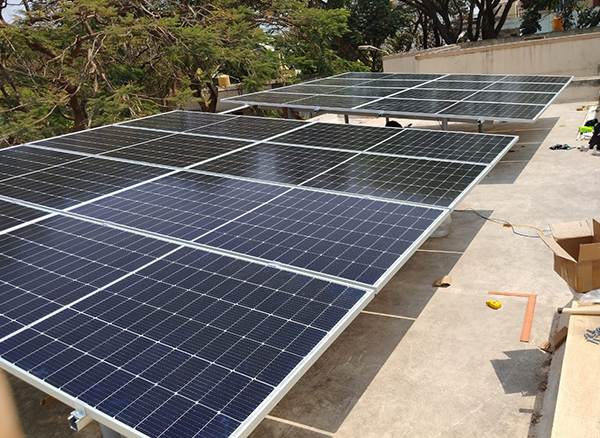
Concern India Foundation promotes renewable energy such as solar electrification through most of its projects in an integrated model, partnering up with schools, governments and healthcare facilities to facilitate access to uninterrupted electricity supply and lower bills. Additionally we also work on providing solar electrification in villages through solar street lights, enabling road safety and preventing accidents. The aim is to promote clean and sustainable enegry, thus reducing carbon emission.
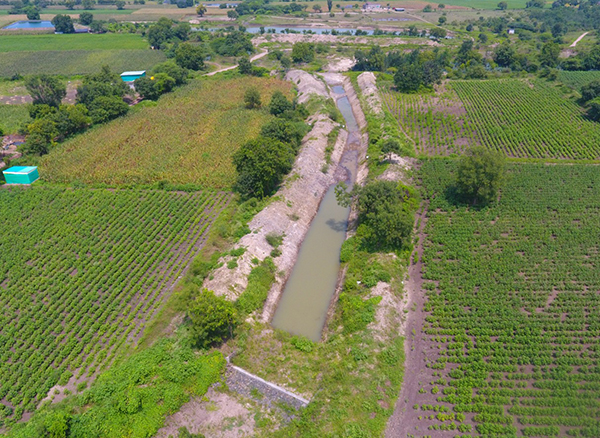
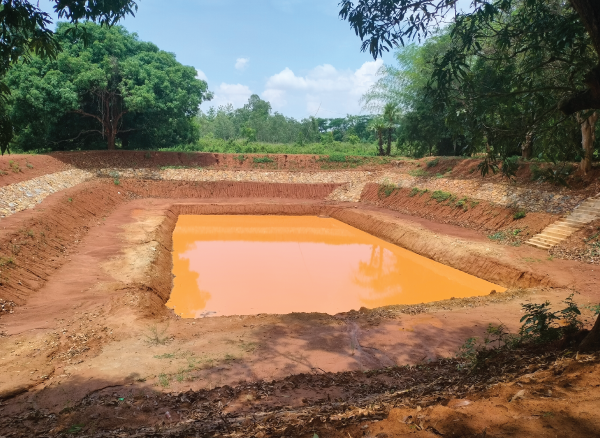
We implement integrated watershed and water conservation projects that improve groundwater recharge, enhance water availability and support climate-resilient livelihoods. Our interventions include:
Through community participation and employee engagement initiatives, we undertake large-scale tree plantation drives that contribute to carbon sequestration, ecological restoration, and healthier living environments.
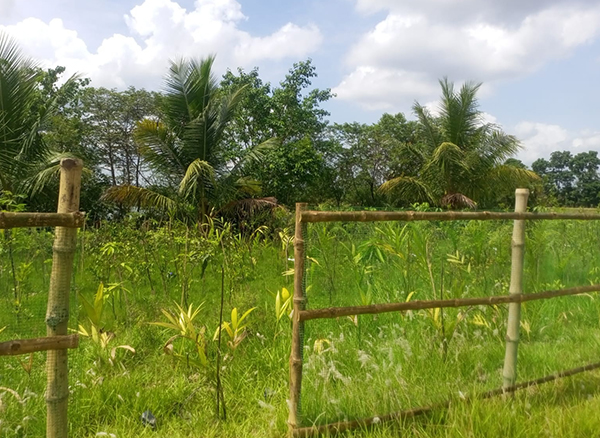
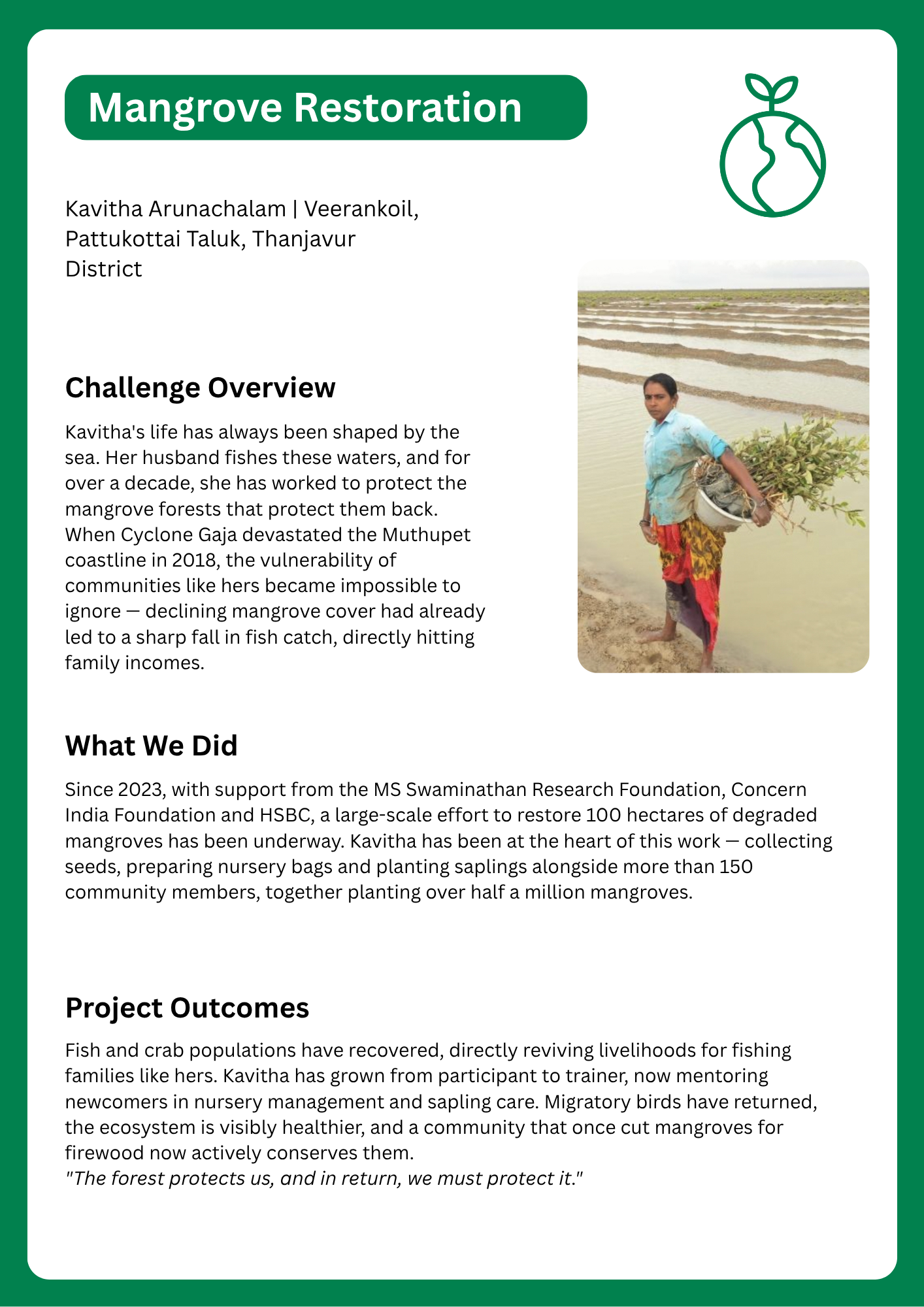
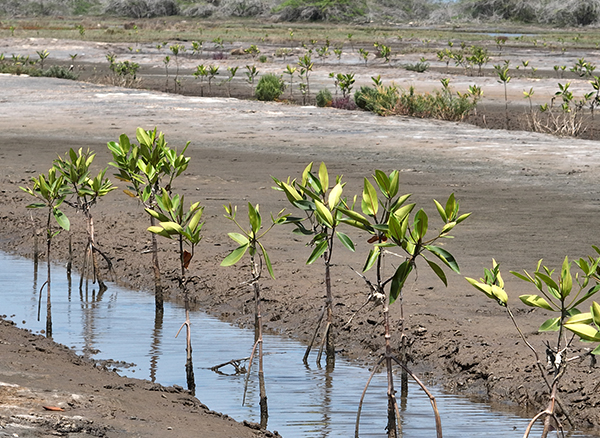
Mangrove ecosystems have emerged as critical nature-based solutions, storing carbon, mitigating disaster risks and protecting vulnerable coastlines. In response, we have undertaken extensive mangrove restoration initiatives, focusing on ecological recovery, by planting over 900,000 mangrove saplings and restored more than 400 hectares of degraded coastal ecosystems through innovative fishbone channel interventions, strengthening coastal resilience, enhancing biodiversity, and supporting local livelihoods. To ensure long-term impact, Joint Mangrove Management Committees have been established, enabling community participation and coordination with local governance.
Our climate action initiatives are designed to mitigate environmental degradation while enabling communities to adapt to changing climatic conditions. By combining nature-based solutions, renewable energy, and community participation, we are creating sustainable pathways toward a greener and more resilient future.